FORGOTTEN KINGDOMS
Design of accessible digital card game



Research
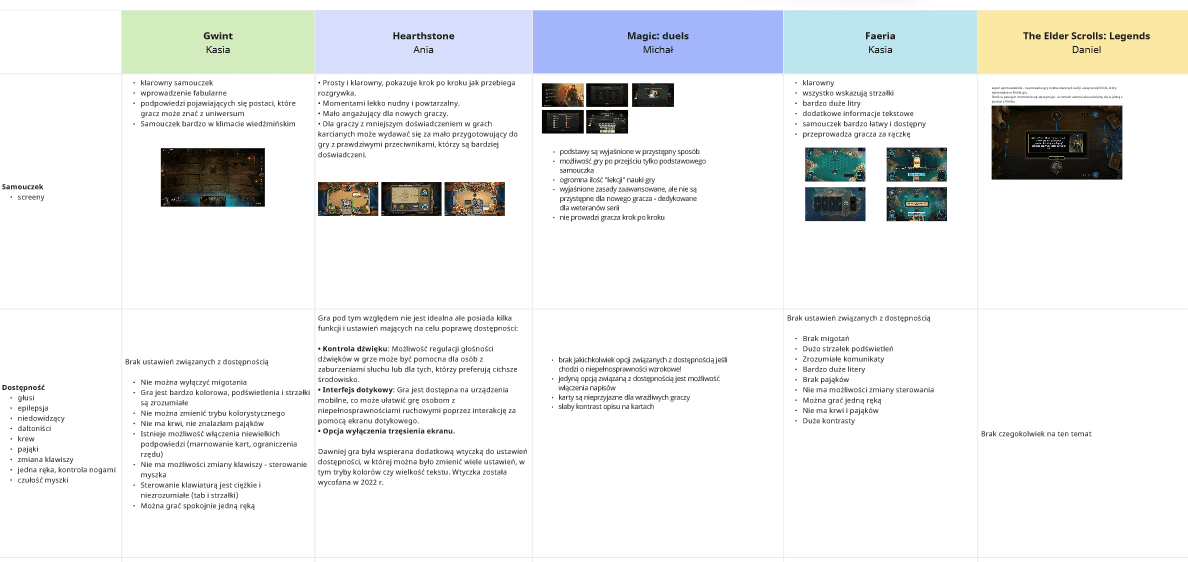
We began by reviewing popular digital card games, analyzing how card layouts, typography, color usage, and feedback systems affected readability and cognitive load. The pattern was clear: strategic complexity was often achieved at the expense of clarity.
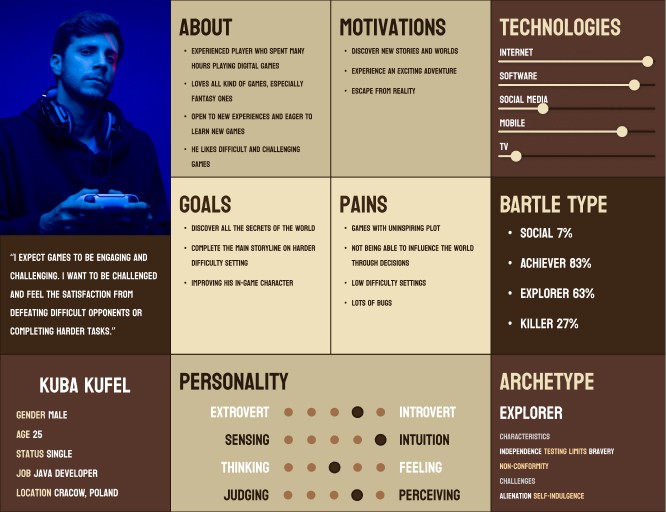
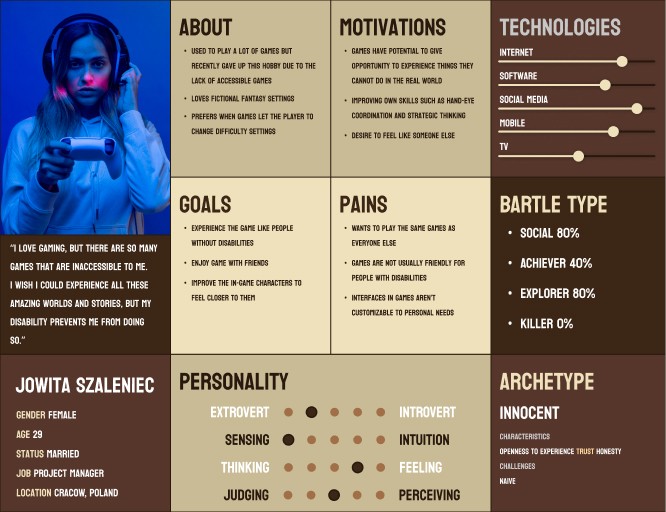
To go beyond assumptions, we explored accessibility guidelines and conducted surveys and interviews with players. These insights helped us define player profiles focused on:
fast information scanning during gameplay
reduced visual fatigue
predictable and forgiving interactions
Accessibility became not just a requirement, but a lens through which every design decision was evaluated.


Prototyping & initial testing
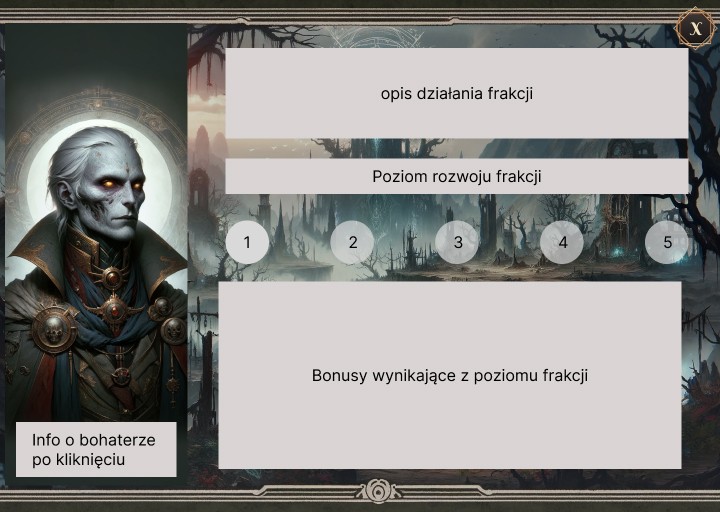
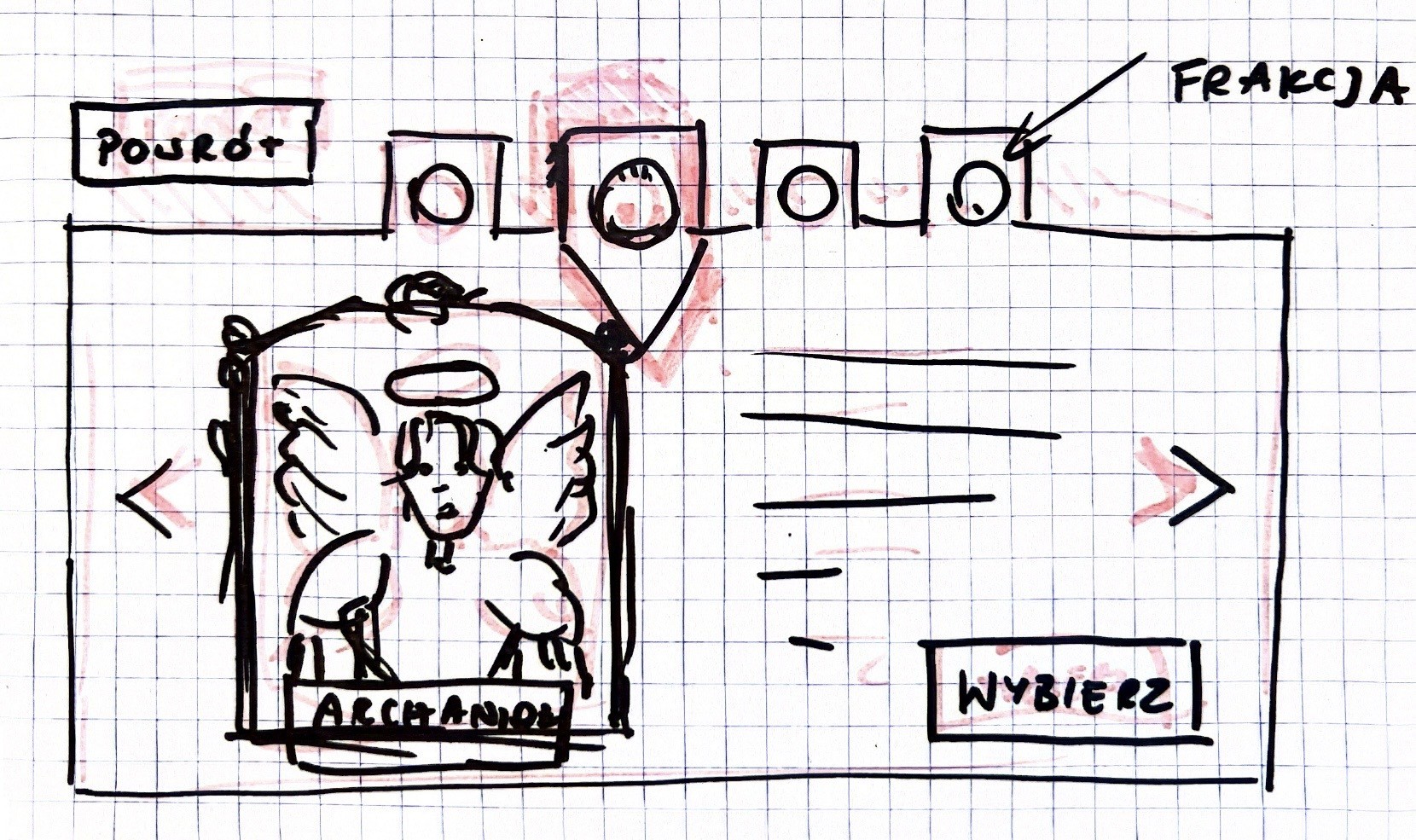
Early low-fidelity prototypes focused on structure rather than aesthetics: card hierarchy, spacing, and information prioritization. Testing quickly exposed weaknesses—key information was easy to miss, and navigation between game states felt unclear.
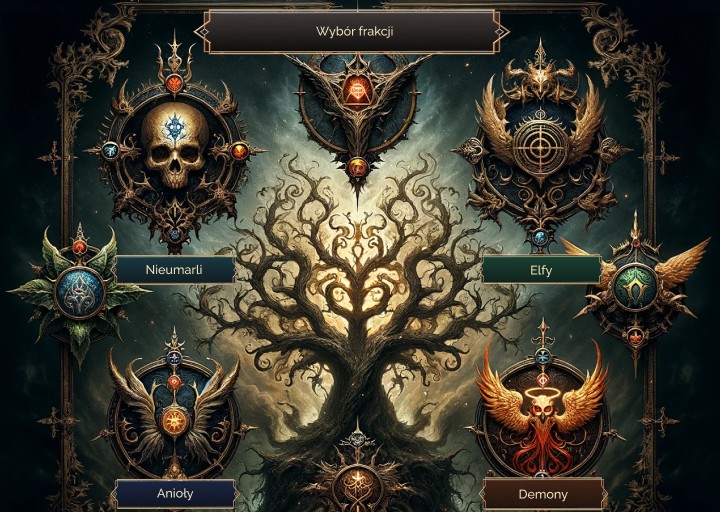
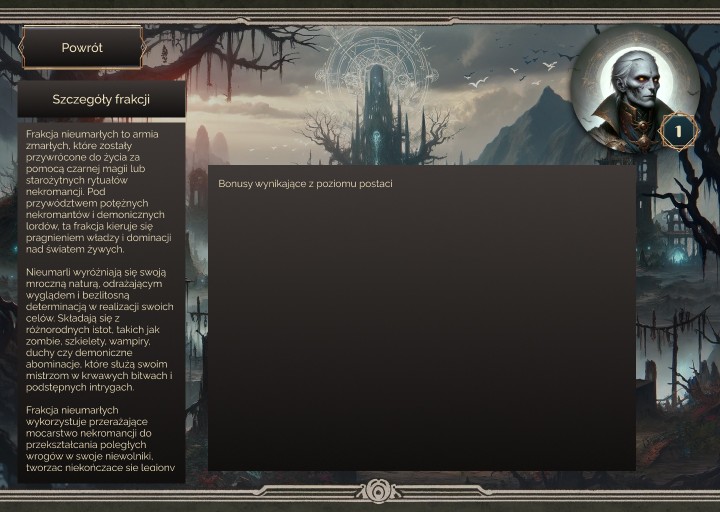
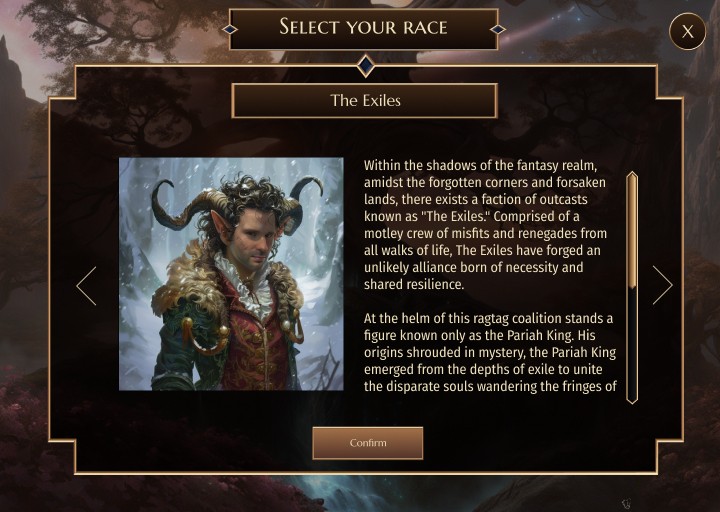
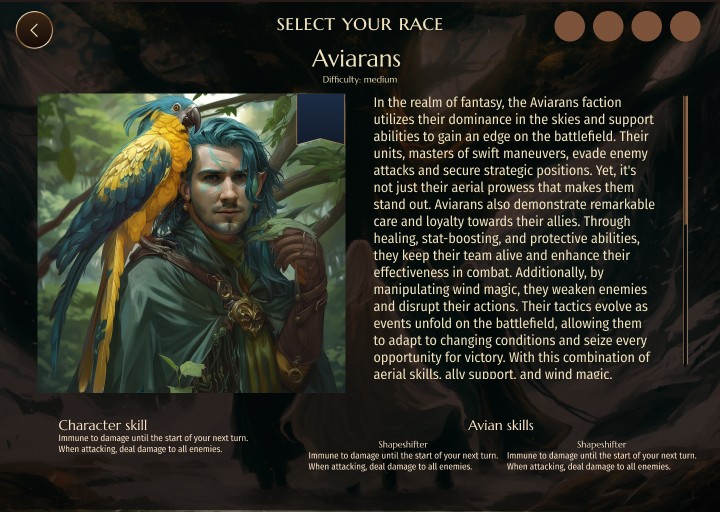
This feedback pushed us to simplify layouts, strengthen contrast, and design card components that could be understood at a glance, even mid-match. Only after these foundations were solid did we move into high-fidelity prototypes with AI-generated artwork.
At this stage, the challenge was no longer readability alone but maintaining clarity while introducing visual richness.

Iteration & refinement
Testing high-fidelity prototypes with a broader group of players revealed further gaps: missing guidance for new players, insufficient support for color-blind users, and moments where information relied too heavily on color.
We addressed these issues by adding:
color-blind friendly modes
clearer onboarding and contextual hints
redundant cues beyond color (icons, layout, labels)
Each iteration aimed to make the game feel more confident and less demanding—without reducing its strategic depth.
Forgotten Kingdoms shows that accessibility and immersion are not opposing forces. By embedding accessibility into the core of the design process, we created a game that remains strategic, readable, and engaging without asking players to adapt to the interface.
Acknowledgments
I would like to extend my heartfelt thanks to everyone who contributed to the successful completion of our project, Forgotten Kingdoms.
To My Team: Kasia, Ania, and Michał – your collaboration, dedication, and relentless pursuit of excellence made this project possible. Each of you brought unique skills and perspectives, and our combined efforts led to the creation of a product we can all be proud of. Thank you for your hard work, creativity, and unwavering commitment.
To Our Mentor, Basia: Your guidance and expertise were invaluable throughout this journey. Your ability to help us structure our ideas and provide insightful feedback at every stage was crucial to our success. Thank you for your patience, encouragement, and the knowledge you shared with us.
To Our Study Supervisor, Janek: Thank you for your support and for facilitating this project. Your willingness to accommodate our interests in game development and your efforts in connecting us with experts in the field were greatly appreciated. Your support allowed us to explore and realize our vision.